

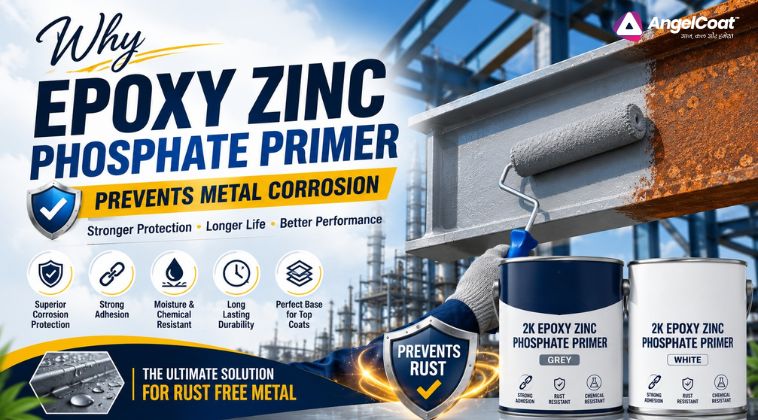
How Epoxy Zinc Phosphate Primer Protects Metal Structures
Metal structures face constant threats from moisture, chemicals, salt, and industrial pollutants. As a result, corrosion weakens steel surfaces, reduces durability, and increases maintenance costs. Therefore, industries such as construction, infrastructure, automotive, marine, and fabrication rely on epoxy zinc phosphate primer and other high-performance coating systems to extend the service life of valuable metal assets.
One of the most trusted solutions is epoxy zinc phosphate primer. This advanced epoxy primer creates a strong protective barrier while improving adhesion for subsequent coating layers, and it helps prevent rust formation on steel exposed to aggressive environmental conditions.
In this guide, you’ll learn what epoxy zinc phosphate primer is, how it works, why it prevents metal corrosion, its key benefits, industrial applications, and the best practices for achieving long-lasting protection.
What Is Epoxy Zinc Phosphate Primer?
Epoxy zinc phosphate primer is a two-component protective coating designed for metal and steel surfaces. It combines epoxy resin, hardener, zinc phosphate pigments, and corrosion-resistant additives.
Unlike ordinary primers, this coating not only improves paint adhesion but also delivers excellent anti-corrosion performance, making it an ideal base coat for industrial, marine, and structural applications.
Key Features
- Excellent corrosion resistance
- Strong adhesion to steel
- High chemical resistance
- Durable protective barrier
- Suitable for interior and exterior use
- Compatible with multiple topcoats
Why Metal Corrosion Is a Serious Problem
Before understanding the primer’s role, it helps to know why corrosion occurs. Metal corrosion is an electrochemical reaction that happens when steel comes into contact with oxygen and moisture. Over time, the metal oxidizes and forms rust.
Common Causes of Corrosion
- Rain and humidity
- Saltwater exposure
- Industrial chemicals
- Acidic environments
- Condensation
- Temperature fluctuations
Left untreated, steel can lose strength, develop surface damage, and require expensive repairs.
How Epoxy Zinc Phosphate Primer Prevents Metal Corrosion
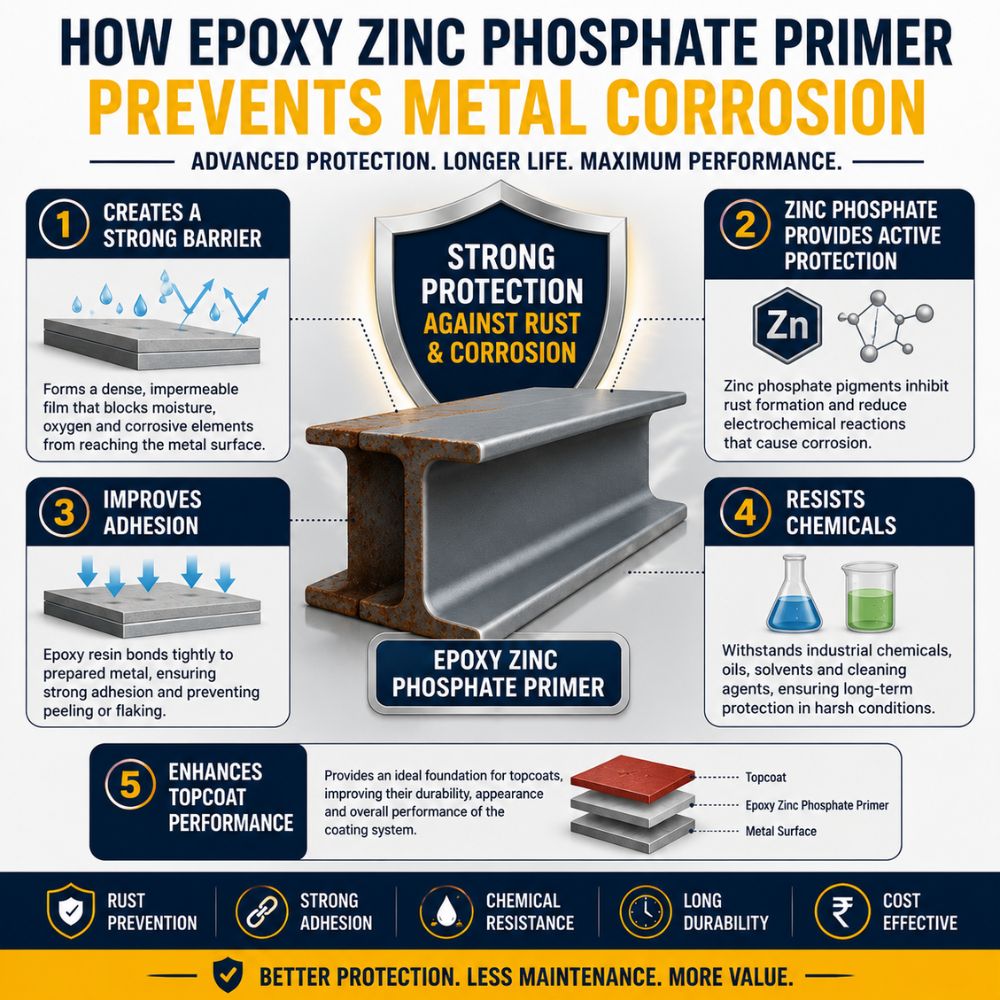
1. Creates a Strong Barrier
The primer forms a dense, impermeable film over the metal surface, keeping moisture and oxygen from reaching the steel and slowing the corrosion process significantly.
2. Zinc Phosphate Provides Active Protection
Zinc phosphate pigments inhibit rust formation and reduce the electrochemical reactions that drive corrosion.
3. Improves Adhesion
A strong coating system depends on excellent adhesion. The epoxy resin bonds tightly to prepared steel surfaces, preventing coating failure and peeling.
4. Resists Chemicals
Industrial environments often expose metal to oils, solvents, and chemicals. Epoxy zinc phosphate primer offers strong chemical resistance, helping maintain long-term protection.
5. Enhances Topcoat Performance
The primer creates an ideal foundation for polyurethane, epoxy, enamel, and other industrial topcoats, making the entire coating system more durable.
Major Benefits of Epoxy Zinc Phosphate Primer
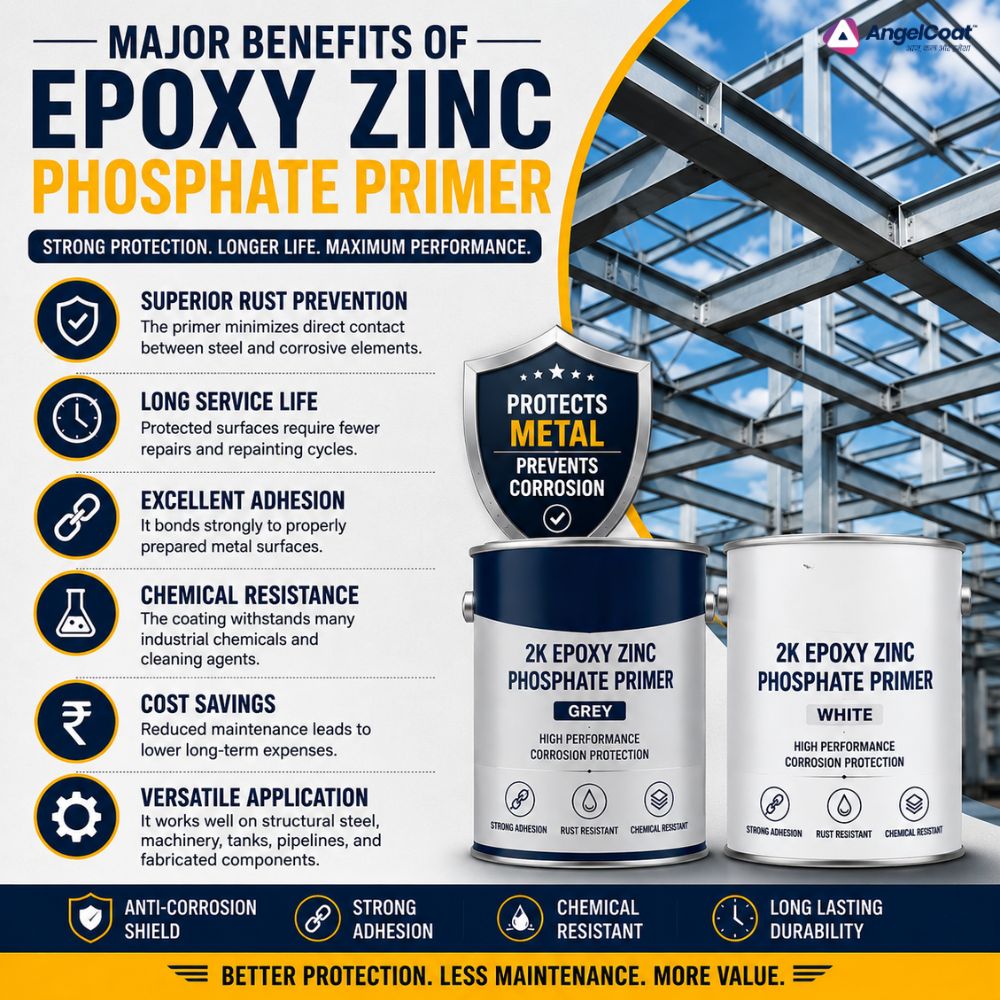
Superior rust prevention – minimizes direct contact between steel and corrosive elements
Long service life – protected surfaces need fewer repairs and repainting cycles
Excellent adhesion – bonds strongly to properly prepared metal surfaces
Chemical resistance – withstands many industrial chemicals and cleaning agents
Cost savings – reduced maintenance lowers long-term expenses
Versatile application – works well on structural steel, machinery, tanks, pipelines, and fabricated components
Applications of Epoxy Zinc Phosphate Primer
This epoxy primer is widely used across several industries:
Construction & Infrastructure
- Steel structures
- Bridges
- Industrial buildings
- Transmission towers
Marine Industry
- Ship components
- Offshore structures
- Coastal equipment
Automotive & Engineering
- Truck bodies
- Trailers
- Industrial machinery
- Fabricated metal parts
Oil & Gas
- Pipelines
- Storage tanks
- Processing equipment
Surface Preparation Before Application
Proper preparation is essential for maximum performance.
Recommended Steps
- Remove oil, grease, and dirt
- Eliminate rust and loose scale
- Use abrasive blasting when possible
- Ensure the surface is clean and dry
- Apply the primer within the recommended time
Good preparation dramatically improves adhesion and coating life.
How to Apply Epoxy Zinc Phosphate Primer
Application Methods
- Airless spray
- Conventional spray
- Brush
- Roller
Basic Procedure
- Mix the base and hardener correctly
- Stir thoroughly until uniform
- Apply the recommended film thickness
- Allow proper curing
- Apply the topcoat if required
Protect Metal with Epoxy Zinc Phosphate Primer
Epoxy zinc phosphate primer remains one of the most effective solutions for protecting metal surfaces from corrosion. By combining a strong epoxy barrier with zinc phosphate technology, it delivers excellent adhesion, chemical resistance, and long-term durability.
Whether you choose 2K Epoxy Zinc Phosphate Primer Grey or White, you can achieve reliable protection for structural steel, machinery, tanks, pipelines, and industrial equipment.
For businesses seeking durable and professional coating solutions, Angel Coating offers high-quality epoxy primer products designed to protect valuable metal assets for years to come.
For any query about, you can contact us on +91-9429002704 or mail us at [email protected]. Also You can see our products on Angel Coating Pvt. Ltd.
It protects steel and metal surfaces from corrosion while improving topcoat adhesion.
Grey is commonly used for heavy-duty industrial coatings, while white is preferred under light-colored topcoats.
It's a two-part coating system: an epoxy resin base combined with a hardener (usually a polyamide or amine), loaded with zinc phosphate as the primary anti-corrosive pigment. The epoxy provides the tough, adhesive film, while the zinc phosphate does the chemical heavy lifting against rust.
Light surface rust ("rust bloom") can sometimes be tolerated with certain formulations, but heavy rust or scale should always be removed first. Primer performance drops sharply on poorly prepared surfaces.
This depends on the product, but most have a recoat window of a few hours up to several days at standard temperature and humidity. Check the technical data sheet — exceeding the window may require light sanding before topcoating.
No FAQ found.